
 Deutsch
  Español
  English
BDSM in Pop Culture: What Hollywood Gets Right and Wrong
An Entertaining Analysis with Scene Insider Comments and Tips for Better Portrayals
BDSM has long since entered the mainstream—from “Fifty Shades of Grey” to “Bonding,” and recent series like “The Idol” or films like “Sanctuary” (2022). While the topic appears more frequently, the quality of its portrayal ranges from “almost respectful” to “pure cringe.” As someone who has been active in the scene for over 15 years, I watch this with mixed feelings. Here’s an honest analysis: what Hollywood gets right, where it fails spectacularly—and how it could do better.
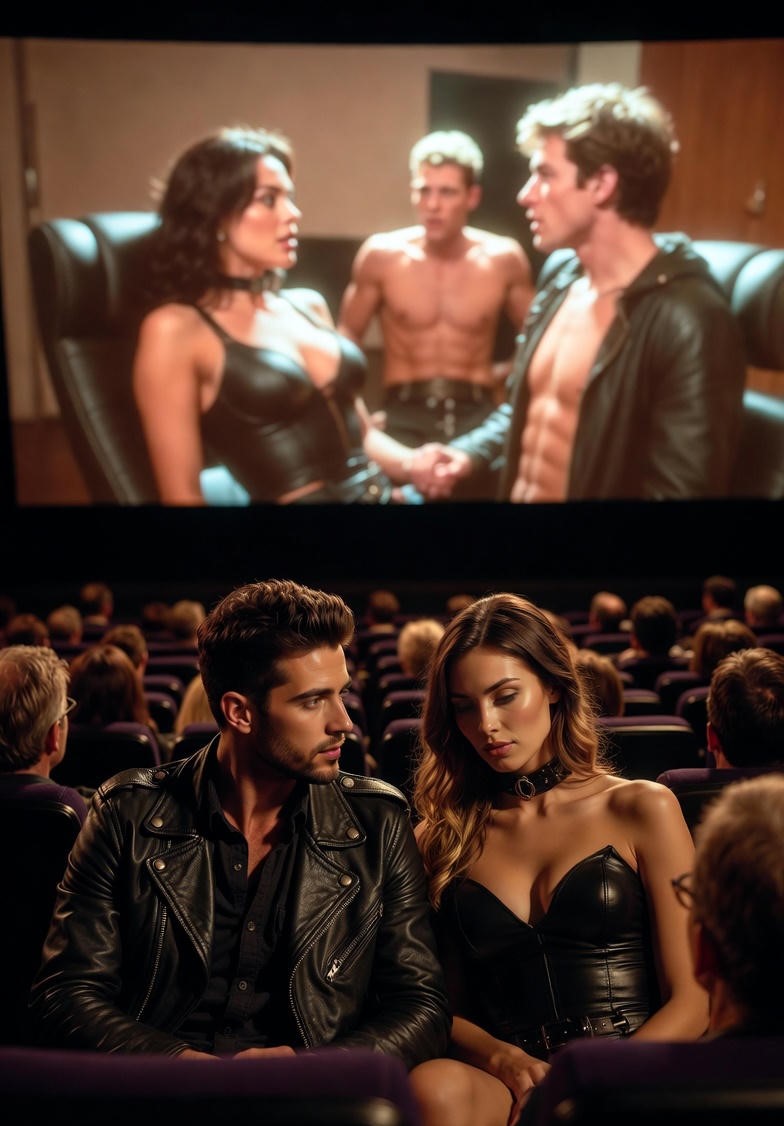 The Classics: Fifty Shades – Love at Second Sight?
Fifty Shades of Grey (2015–2018) The phenomenon that made BDSM socially acceptable worldwide. Positive: It got millions of people talking about safewords, consent, and toys. Many in the scene say the books/movies were their entry point.
Negative: Christian Grey is a stalker with control issues, not a Dom. He ignores boundaries, manipulates, and abuses power (“I buy your company so you do what I want”). The contract is ridiculously unrealistic, and the dynamic is based on trauma rather than consent. Insider comment: “This isn’t BDSM—it’s emotional abuse with expensive toys.” (Quote from a FetLife thread with over 5,000 likes)
How to do better: Show real negotiation, check-ins, and aftercare. Grey should never have taken Ana to the playroom without clear consent.
Netflix & Co.: Bonding – Finally Some Humor!
Bonding (2019–2021) One of the best portrayals to date. Tiff is a dominant sex worker, Pete her submissive assistant and best friend. The series shows professional domination, queer elements, and everyday problems.
Done right: Consent is taken seriously, sessions are safe, and there’s real aftercare. Humorous and human—no dark trauma processing. Insider comment: “Finally a Domme who isn’t portrayed as a cold psychopath, but as a normal woman who has rent to pay.” Many professional Dommes praised the series.
Criticism: Some sessions are a bit exaggerated (e.g., public play without discretion), but overall top-notch.
Current Examples: Where It Goes Wrong Again
365 Days (2020–2022) Polish softcore porn on Netflix. Kidnapping as “romance,” coercion as “dominance.” No safeword, no consent—pure abduction fantasy. Insider comment: “This isn’t BDSM; it’s a crime with leather accessories.” The scene protested massively—and rightly so.
The Idol (2023) HBO series with The Weeknd. Intended to critique the music industry but shows BDSM as manipulative abuse. He chokes the protagonist, humiliates her—all without consent. Insider comment: “Once again the old trope: BDSM = dangerous cult leader. Reality: We have more rules than any vanilla relationship.”
Positive Highlight: Sanctuary (2022) A small indie film about a session between a Domme (Margaret Qualley) and her wealthy client. Focus on psychological dominance, negotiation, and power play—without sex. Very authentic. Insider comment: “Finally a film that understands BDSM often happens in the head.”
What Hollywood Generally Gets Wrong
- Consent is ignored: Safewords? Aftercare? Missing. Instead, “no means yes.”
- Doms as psychopaths: Rich, traumatized men with control mania—the reality looks different.
- Subs as helpless victims: Subs are often the strongest—they trust and surrender.
- BDSM = sex: Many sessions are asexual. It’s about power, not always penetration.
- No diversity: Mostly hetero, white, young. Where are queer, older, or POC couples?
 How It Could Be Better – Our Recommendations
- Involve scene consultants: Like in “Bonding”—real Dominas/Pro-Dommes as advisors.
- Show negotiation: Have characters discuss limits and agree on safewords.
- Don’t forget aftercare: Cuddling, talking, water—that’s the most important part.
- Humor and normality: BDSM people have jobs, bills, cats. Show that!
- Recommended portrayals: Watch “Secretary” (2002)—still one of the best (with James Spader and Maggie Gyllenhaal). Or documentaries like “Kink” (2013) by James Franco.
Conclusion: We’re Ready for Better Stories
BDSM in pop culture has given us visibility—but often at the cost of authenticity. Hollywood, we’re happy to help: there are thousands of us ready to work as consultants. Until then: enjoy the good moments (Bonding!) and laugh at the bad ones (Fifty Shades!). And if you’re creative yourselves—make your own photos, videos, or stories. The best portrayal is still the real one.
Which film/series annoyed or excited you the most? Share your opinion in the comments!


